

The Challenge of Workplace Restoration
In Middlesex County, a historic office building faced severe structural and aesthetic challenges. Years of neglect had left the space in disrepair, impacting employee morale and productivity. The company occupying the building sought a comprehensive restoration to revive not just the physical workspace, but also the spirit of its workforce.

Initial Assessment and Planning
The restoration project began with a thorough assessment by a team of experts. Structural engineers, interior designers, and environmental specialists collaborated to develop a plan addressing both immediate concerns and long-term sustainability. This included repairing foundational issues, updating electrical systems, and enhancing natural lighting.
The planning phase was critical, as it aimed to minimize disruption to ongoing business operations. By adopting a phased approach, the team ensured continuous workflow while sections of the building underwent transformation.
Implementation of Restoration Strategies
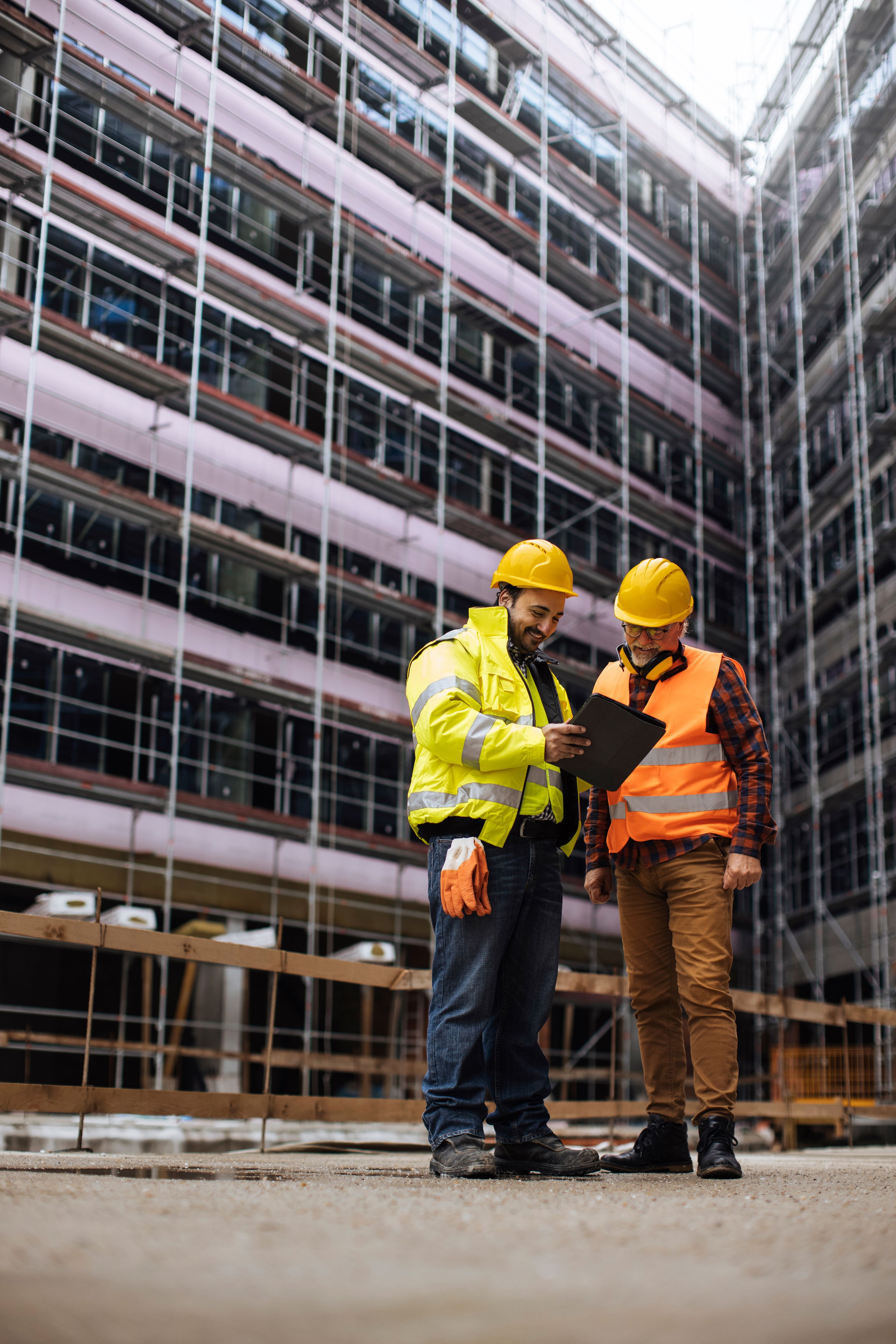
With a clear plan in place, the restoration team embarked on the implementation phase. The primary focus was on structural integrity, which involved reinforcing load-bearing walls and updating outdated infrastructure. This was followed by modernizing the interior design to create an inviting and functional workspace.
Emphasis on Sustainability
A significant aspect of the project was the integration of sustainable practices. Energy-efficient lighting and HVAC systems were installed to reduce the building's carbon footprint, and eco-friendly materials were used throughout the renovation. This not only aligned with environmental goals but also contributed to cost savings in the long term.
Additionally, the restoration included the creation of green spaces within the building. These areas provided employees with relaxation zones, promoting mental well-being and fostering creativity.
Impact on Employee Morale and Productivity
The transformation had a profound impact on the workplace environment. Employees reported a noticeable improvement in morale and productivity. The open, airy design, combined with ergonomic furniture and collaborative spaces, encouraged interaction and innovation.

Long-term Benefits and Community Impact
The successful restoration not only benefited the company and its employees but also had a positive effect on the surrounding community. The revitalized building became a landmark, attracting attention for its architectural beauty and sustainable design.
Furthermore, the project demonstrated the potential of workplace restoration as a catalyst for economic development in Middlesex County. By preserving historical buildings and enhancing their functionality, businesses can contribute to the area's cultural and economic vitality.
Conclusion
The case study of workplace restoration in Middlesex County serves as an inspiring example of how thoughtful renovation can lead to significant improvements in employee well-being and business success. By prioritizing sustainability, functionality, and aesthetics, companies can transform outdated spaces into dynamic workplaces that support growth and innovation.